Vol. XVIII · Free shipping $75+ · Read the collection
Feature · Product Review
ghk-cu receptor mechanism of action

ghk-cu receptor mechanism of action GHK Peptide as a Natural Modulator Multiple Cellular Pathways in Skin Regeneration GHK-Cu Peptide: What It Does

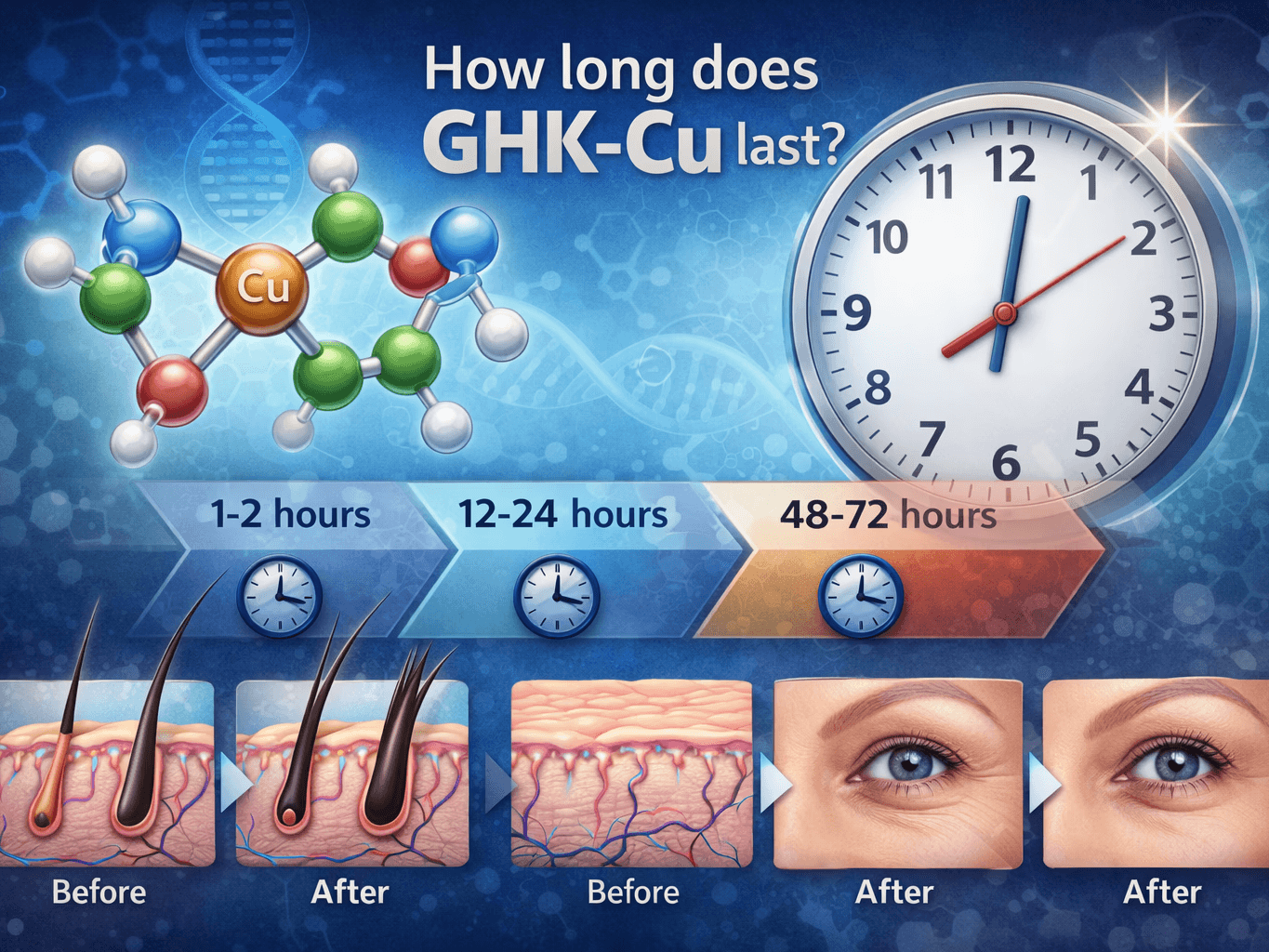
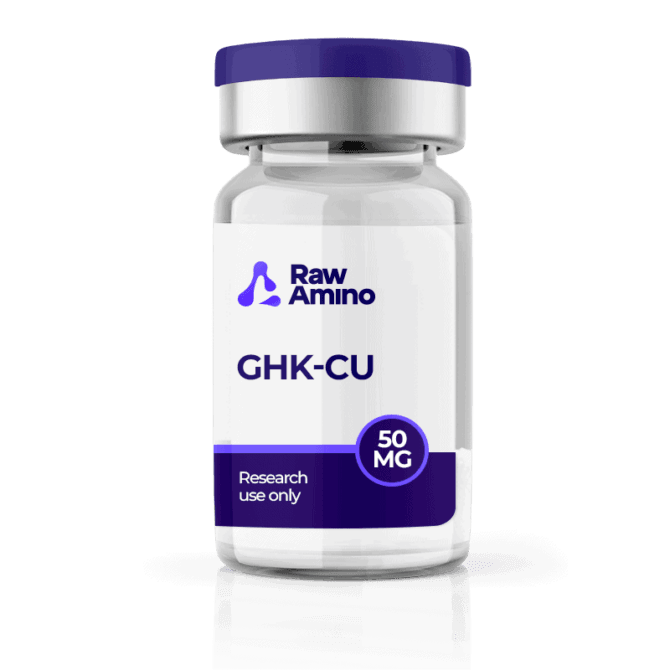
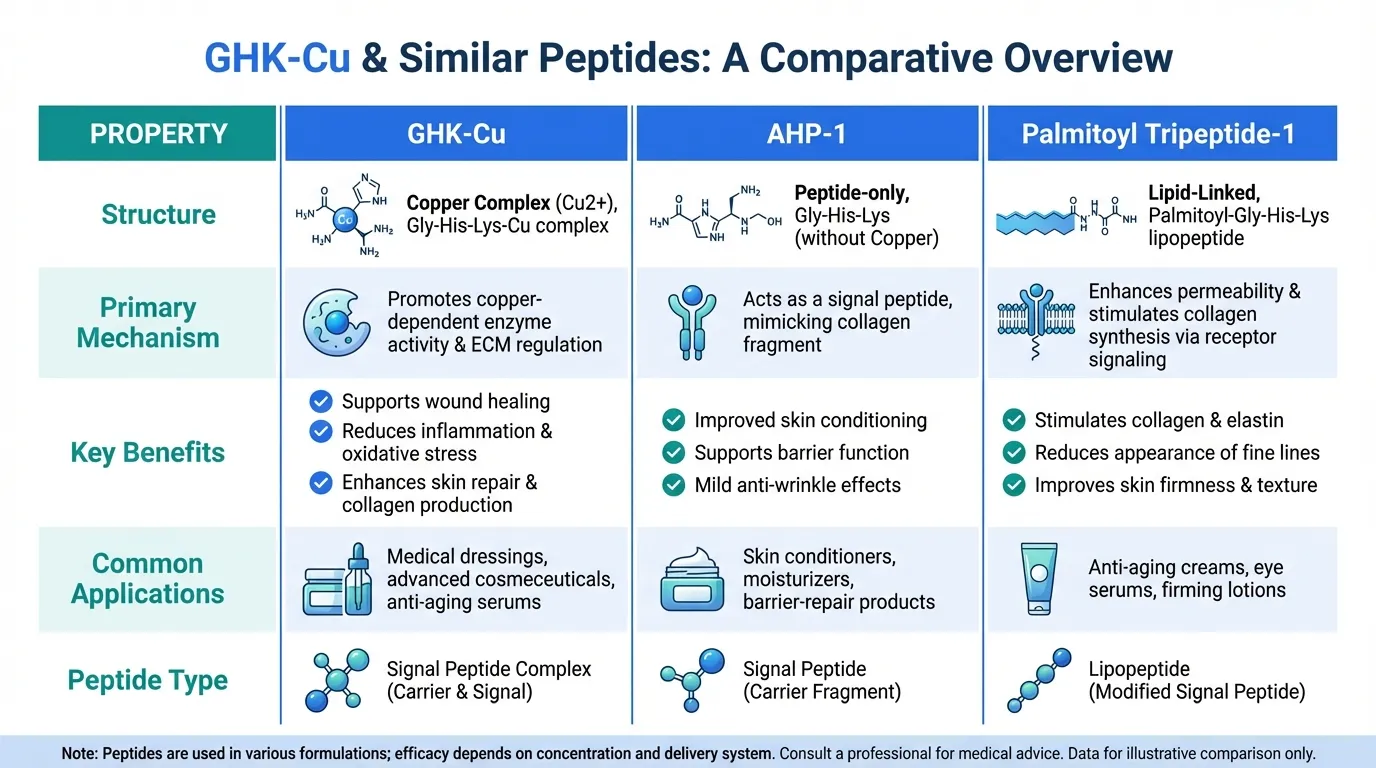
GHK Cu Peptide: What It Does for Body Composition and Metabolic Health How Long Does GHK Cu Last? Half Life, Results & Shelf Life SeekPeptides GHK CU Making Skin Worse: Complete Troubleshooting Guide SeekPeptides GHK Cu 50MG Peptides Similar to GHK Cu Peptide Protocol Wiki

SKU: 62293272732 · From lagence-mr.com

4.4
USD22.69 USD53.69

Pay in 4 interest-free payments of $5.67 Learn more

Shipping Estimate
USA
  • USA
  • CAN

Ships within 48 hours · Estimated delivery Sep 13 - Sep 18

Description

In addition, we did not observe increased deposition of GAG from FOXO4-DRI pre-treated PDL9 chondrocytes (Figure 3C)

ghk-cu receptor mechanism of action GHK Peptide as a Natural Modulator Multiple Cellular Pathways in Skin Regeneration GHK-Cu Peptide: What It Does

10.3390/ijms22052688 Int

ghk-cu receptor mechanism of action GHK Peptide as a Natural Modulator Multiple Cellular Pathways in Skin Regeneration GHK-Cu Peptide: What It Does

Do they live up to the hype

ghk-cu receptor mechanism of action GHK Peptide as a Natural Modulator Multiple Cellular Pathways in Skin Regeneration GHK-Cu Peptide: What It Does

Peptide therapy is not the same as traditional hormone therapy

ghk-cu receptor mechanism of action GHK Peptide as a Natural Modulator Multiple Cellular Pathways in Skin Regeneration GHK-Cu Peptide: What It Does

What the evidence supports: BPC-157 consistently improves tendon healing outcomes in animal models across multiple tissue types and injury models TB-500 accelerates wound healing and tissue repair in preclinical studies with measurable improvements in re-epithelialization, collagen deposition, and angiogenesis GHK-Cu enhances collagen synthesis and modulates thousands of genes involved in tissue repair GHRP-2 shifts macrophage polarization favorably in a rotator cuff tear model Relaxin-2 eliminates capsular fibrosis in a frozen shoulder mouse model No significant toxicity has been identified in preclinical BPC-157 studies What remains uncertain: Whether animal study results translate to equivalent human outcomes for shoulder conditions specifically Optimal dosing for human shoulder injuries (all protocols are extrapolated from animal data and clinical observation) Long-term safety with repeated use Whether peptides meaningfully reduce rotator cuff retear rates after surgical repair in humans How peptide therapy compares to established treatments like PRP in controlled human studies Potential interactions with medications commonly used by shoulder pain patients What we need: Randomized controlled trials of BPC-157 and TB-500 for specific shoulder conditions in humans Head-to-head comparisons of peptide therapy versus established treatments Long-term safety data from monitored human use Standardized dosing protocols based on human pharmacokinetic data Studies combining peptides with rehabilitation to assess synergistic effects The preclinical evidence is compelling

ghk-cu receptor mechanism of action GHK Peptide as a Natural Modulator Multiple Cellular Pathways in Skin Regeneration GHK-Cu Peptide: What It Does
Exchange/Return Notes
  • We offer a 30-day return/exchange service after receiving.
  • Final sale items are not eligible for returns or exchanges.
  • To process your return/exchange, please contact us at [email protected]
  • Please click here for more details>>> Return & Exchange Policy

You may also like

recommand products